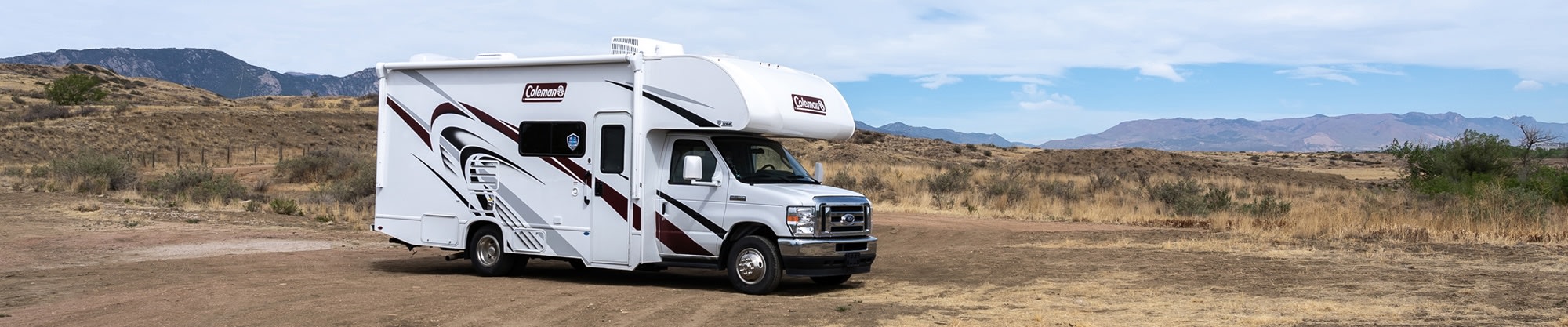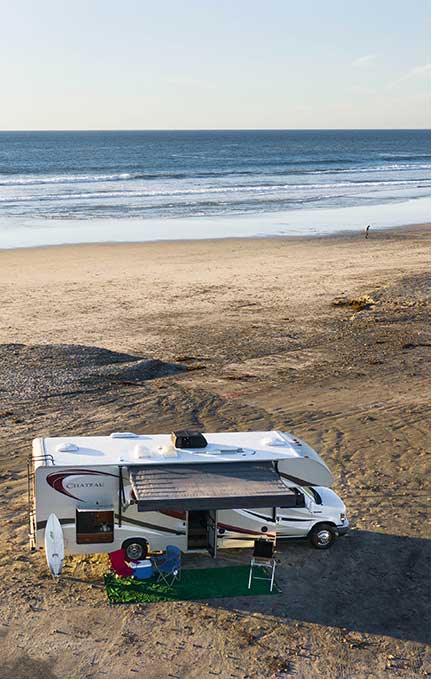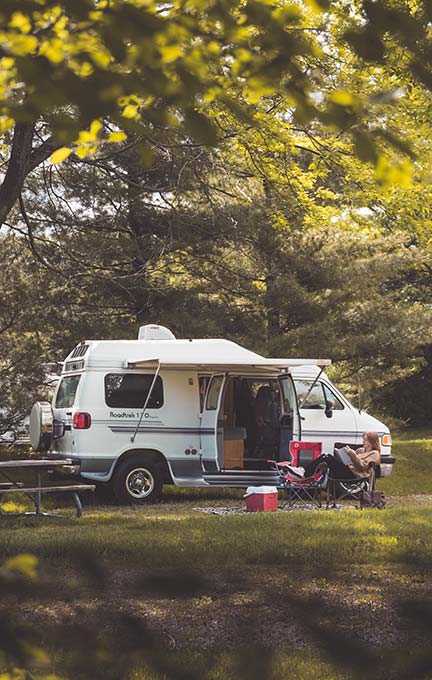

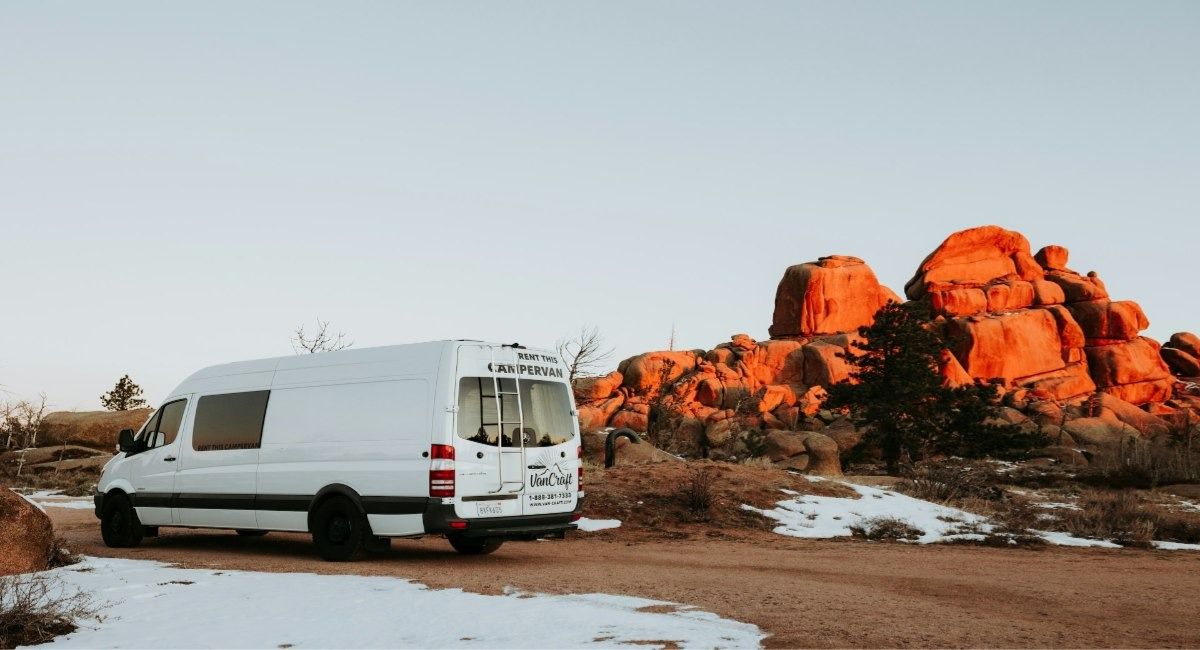
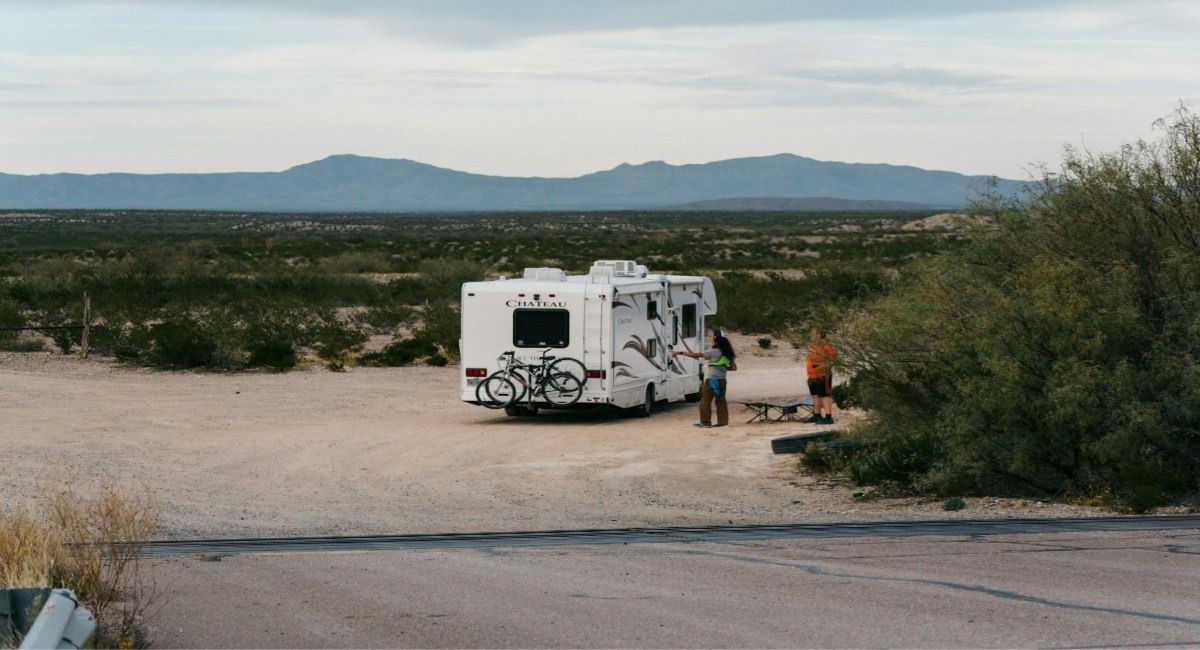
Texas sprawls across 268,000 square miles with deserts, pine forests, rolling hills, and endless lakes—each offering distinct RV camping experiences. From Hill Country resort camping near Austin to remote desert boondocking and pristine lakeside state parks, Texas delivers affordable full-hookup sites, pet-friendly communities, and attractions ranging from live music venues to historic ranches.
With over 200 state parks, many with RV-friendly campgrounds, plus private resorts catering to everything from cowboy culture to waterfront luxury, Texas offers unforgettable camping for families, couples, and solo travelers seeking space, culture, and nature.
What Makes Texas Perfect for RV Camping?
Texas earns its reputation as an RV paradise because you can explore dramatically different landscapes—from beaches to mountains to deserts—without ever leaving the state, and camp comfortably year-round in an incredible variety of settings.
The numbers speak volumes: Texas Parks & Wildlife operates over 80 state parks with thousands of campsites, while private campgrounds and RV resorts add hundreds more options. Texas’s sheer size (268,597 square miles, if you’re counting) means you could spend years exploring and still discover new camping gems. Unlike states where winter shuts down RV season, Texas offers comfortable camping even in January, with South Texas and Gulf Coast temperatures rarely dipping below freezing.
The diversity here is unmatched. Camp under towering pines in East Texas forests that feel more like Louisiana, then drive west to Palo Duro Canyon—the “Grand Canyon of Texas”—for dramatic desert vistas. Spend mornings kayaking Hill Country rivers, afternoons wine tasting in Fredericksburg, and evenings watching spectacular sunsets from your RV. Explore Texas campgrounds spanning the entire state, from Panhandle prairies to Rio Grande valleys.
Texas’s RV infrastructure impresses even seasoned travelers. Full hookup sites are standard rather than exceptional; many campgrounds accommodate 45-foot Class A motorhomes, and you’ll find dump stations, propane, and supplies readily available. Need an RV? Browse Texas RV rentals ranging from compact camper vans to luxury coaches—there’s a rig for every adventure style.
To make planning easier, pair this guide with an interactive Texas RV map that groups campgrounds by region—Hill Country, Gulf Coast, Panhandle canyons, East Texas forests, lakes, and luxury resorts—so you can visualize drive times and build a route instead of picking parks in isolation
Map of RV Campgrounds in Texas
How Do I Choose the Right RV Campground in Texas?
Start by identifying your priorities: do you want beach sunsets, Hill Country wine country, big city access, or remote wilderness—then match Texas’s diverse regions to your ideal camping experience.
Location drives most decisions. Planning to explore Austin’s music scene and Hill Country? Austin area campgrounds put you minutes from Sixth Street and Fredericksburg wineries. Houston visitors should check Houston RV rentals and nearby parks that balance city access with Gulf Coast beaches. The Dallas-Fort Worth metroplex offers convenient Dallas campgrounds for urban adventures.
Texas’s climate varies dramatically by region and season. Summer temperatures in West Texas and the Panhandle can exceed 100°F—seek campgrounds with swimming pools or water access. Gulf Coast camping brings humidity but ocean breezes, while Hill Country offers cooler temperatures at higher elevations. Winter camping works beautifully in South Texas, but northern regions occasionally see freezing weather and ice storms.
Consider your RV size carefully. While many Texas campgrounds accommodate large rigs, state parks sometimes limit RVs to 35-40 feet. Luxury resorts typically handle any size, featuring pull-through sites with 50-amp service. If you’re new to RVing, a travel trailer rental might be perfect for testing different camping styles before committing to a purchase.
The experience matters too. State parks offer incredible natural settings and affordability ($20-30 nightly), while private resorts provide amenities like pools, activities, and social atmospheres ($40-80+ nightly). Remote dispersed camping on public lands costs nothing but requires complete self-sufficiency—no hookups, limited facilities, and generator power only.
Once you know whether you’re a “Hill Country wine and rivers” person, a “Gulf Coast beach” person, or you’re chasing canyons, pine forests, or big cities, switch on those layers in your Texas RV map—Hill Country, Gulf Coast, state parks, lakes and fishing, luxury, and pet‑friendly—to see how campgrounds cluster by experience type. That makes it much easier to decide where to spend extra nights and where to just overnight and move on.
What Are the Best Texas Hill Country RV Campgrounds?
Source: Unsplash
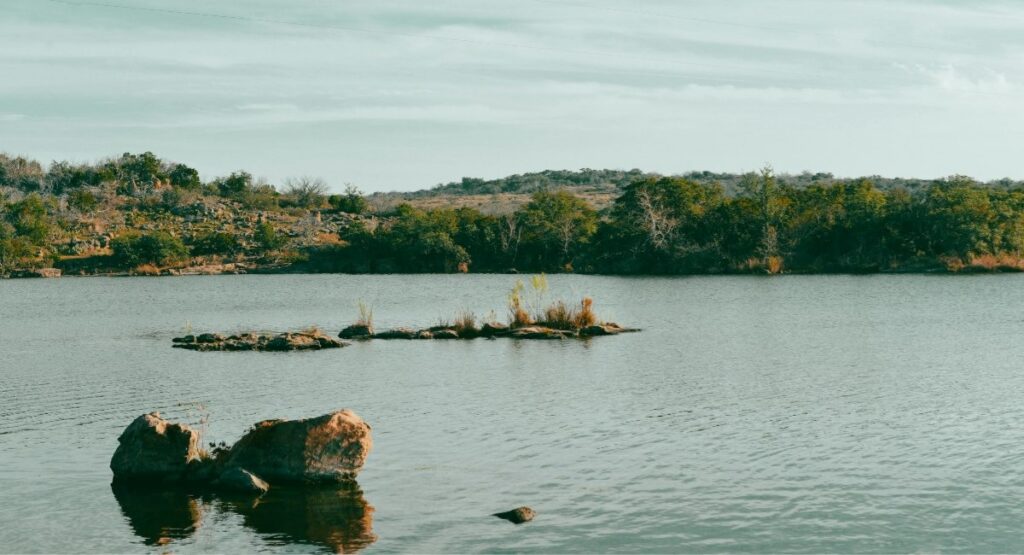
Hill Country combines rolling terrain, spring-fed rivers, charming towns, and Texas’s best wine country—making it the state’s most beloved RV destination for couples and families alike.
Guadalupe River State Park
Located north of San Antonio, this gem offers 78 campsites with water and electric hookups along four miles of beautiful Guadalupe River shoreline. The crystal-clear river maintains cool temperatures even in summer heat, making it perfect for swimming, tubing, and kayaking. Hiking trails wind through juniper-covered hills, and you’ll spot white-tailed deer, armadillos, and incredible bird diversity. The campground’s mature shade trees provide relief from Texas sun, and sites accommodate RVs up to 50 feet. Book through Texas State Parks reservations up to five months ahead—this park fills quickly spring through fall.
By the River RV Park (Kerrville)
This family-owned Hill Country campground sprawls across 65 acres along the Guadalupe River, offering 59 full-hookup sites with 30/50-amp service. The mix of waterfront back-in sites and pull-through options accommodates any rig size. Amenities include hot showers, laundry, WiFi, and cable TV—perfect for extended stays. The 22-acre island provides unique tent camping for those wanting riverside adventures. Kerrville’s charming downtown sits minutes away, while Fredericksburg’s wine country awaits 30 miles north.
Inks Lake State Park
This Highland Lakes park offers year-round camping with 200 sites featuring water and electric hookups. Unlike many Texas lakes that fluctuate dramatically, Inks Lake maintains consistent levels thanks to constant-level dam control. The park’s nine miles of shoreline provide excellent fishing for bass, catfish, and sunfish, while the swimming area features a sandy beach. Don’t miss Devil’s Waterhole—a dramatic rocky area where locals cliff jump into deep pools. The pink granite landscape creates stunning photo opportunities, especially at sunset.
Pedernales Falls State Park
Named for its spectacular stepped waterfalls on the Pedernales River, this 5,212-acre park offers 69 campsites with water and electric hookups. During dry periods, you can walk across the falls’ limestone ledges—but stay alert for flash floods after rains. Hiking trails range from easy riverside walks to challenging climbs through Hill Country terrain. The park’s dark skies make it popular for stargazing. Spring brings spectacular Texas bluebonnet displays that photographers travel worldwide to capture.
Where Can I Find Beach and Gulf Coast RV Camping in Texas?
Source: Unsplash
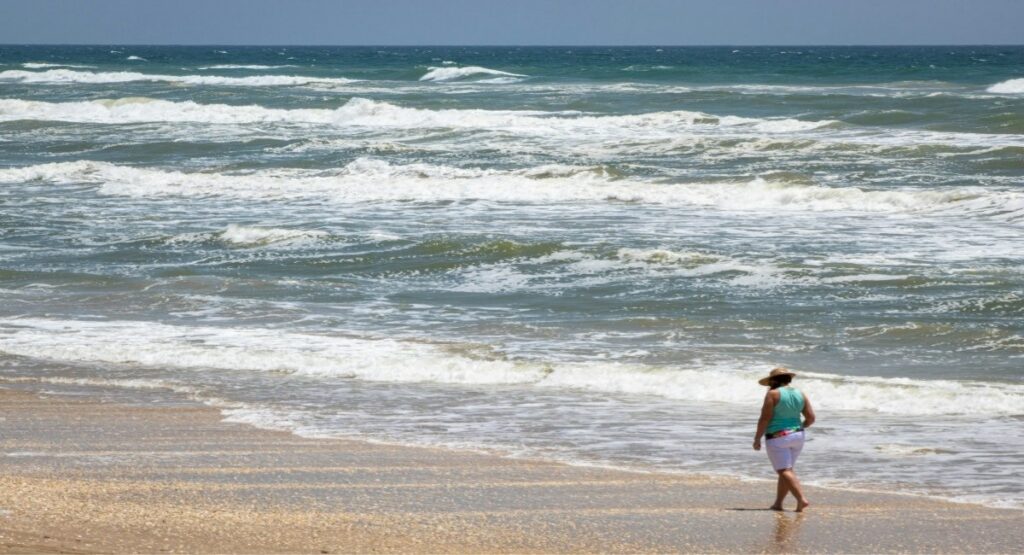
Texas’s 370 miles of Gulf Coast deliver warm waters, white sand, fresh seafood, and some of the state’s most unique RV camping experiences from Galveston to South Padre Island.
Padre Island National Seashore
America’s longest undeveloped barrier island offers primitive beach camping unlike anywhere else in Texas. Drive your 4×4-capable RV directly onto 60 miles of beach—yes, you camp right on the sand facing the Gulf. The park provides basic facilities (restrooms, cold showers) at the developed Malaquite Beach area, but most of the island remains pristine wilderness. Watch for sea turtle nesting (April-August) and hatchling releases—an unforgettable experience. Bring plenty of fresh water, prepare for wind, and pack insect repellent. Winter offers the mildest conditions with fewer bugs and moderate temperatures.
Galveston Island State Park
This 2,000-acre barrier island park provides 150 RV sites with water and electric hookups on both bay and Gulf sides. The bayside sites offer calmer waters perfect for kayaking and paddleboarding, while Gulf-side camping puts you steps from surf fishing and beach walks. The park’s nature trails wind through coastal prairie and wetlands—prime birdwatching territory during spring and fall migrations. Galveston’s historic Strand District, museums, and restaurants sit just 10 miles away, making this an ideal basecamp for both beach relaxation and cultural exploration.
Mustang Island State Park
Near Corpus Christi, Mustang Island offers 48 sites with water and electricity right on the Gulf. The five miles of undeveloped beach provide excellent shelling, fishing, and swimming without the crowds of nearby Port Aransas. The park accommodates RVs up to 55 feet and welcomes pets on leashes. Paddle the Packery Channel for protected calm-water kayaking, or venture onto the beach for surf fishing targeting redfish, speckled trout, and flounder. The nearby Texas State Aquarium and USS Lexington Museum make great rainy-day destinations.
Sea Rim State Park
This remote park near the Louisiana border offers a unique floating platform campsite accessible only by kayak—serious bragging rights for adventurous RVers who also kayak camp. The main campground provides beachfront sites with water and electricity, but the floating platform (book way ahead!) lets you sleep on the marsh while watching spectacular sunrises. The 5.2-mile kayak trail winds through brackish marshes where alligators sun themselves and wading birds hunt for fish. It’s wild, remote, and utterly Texas.
What Are Texas’s Best State Park Campgrounds?
Texas State Parks offer unbeatable value and natural beauty, from piney forests to dramatic canyons, with campgrounds that welcome everyone from first-timers to full-time RVers.
Palo Duro Canyon State Park
Source: Unsplash
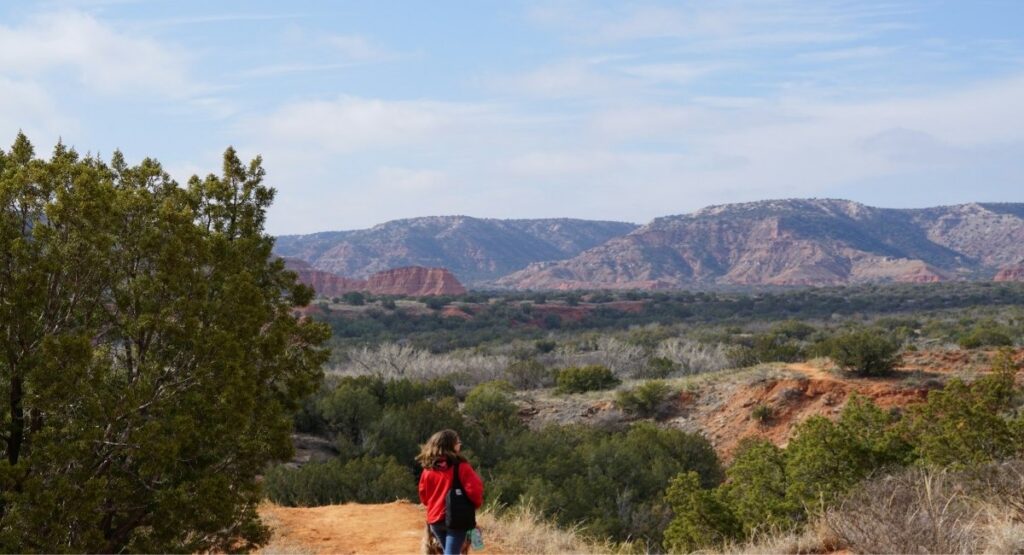
The “Grand Canyon of Texas” spans 120 miles long and 800 feet deep, creating the most dramatic landscape in the state. The park’s 50 campsites with water and electricity put you inside this spectacular red rock canyon, where hiking trails, mountain biking paths, and equestrian routes showcase towering hoodoos and colorful geology. Don’t miss the outdoor musical “TEXAS” performed in summer months at the Pioneer Amphitheater. The Lighthouse Trail (5.75 miles round trip) leads to the canyon’s iconic rock formation—arrive early to beat summer heat. CCC-built structures add historical charm to this must-visit destination.
Garner State Park
Source: Unsplash
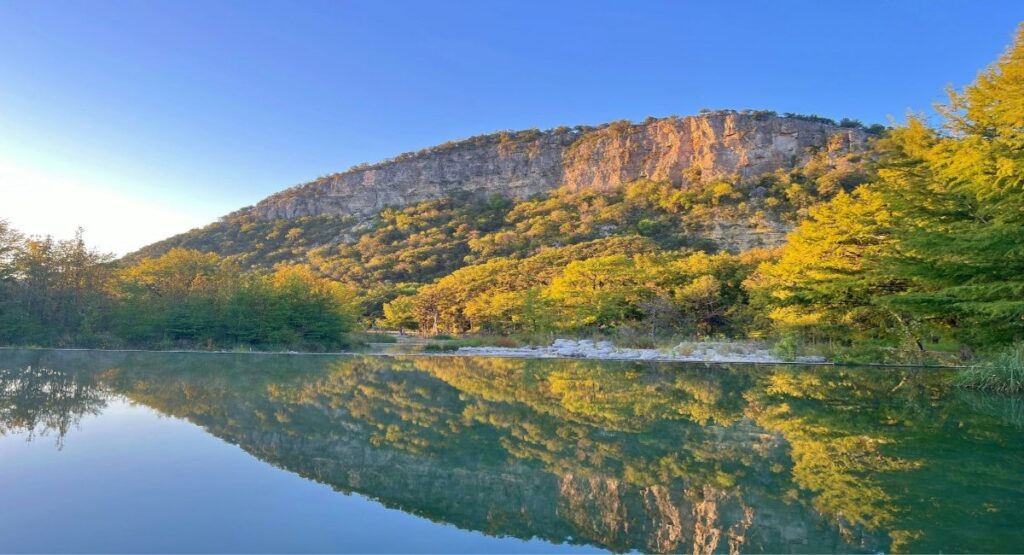
Consistently rated among Texas’s most popular parks, Garner State Park on the crystal-clear Frio River offers 120 RV sites with water and electric hookups. The cold spring-fed river provides perfect swimming and tubing relief during Texas’s scorching summers. Hike up Old Baldy for panoramic views, paddleboat on the river, or join evening dances at the park’s pavilion—a tradition since the 1940s. Sites book solid March through October, so reserve exactly when the booking window opens. The town of Concan offers additional camping options when Garner fills up.
Big Bend Ranch State Park
Source: Unsplash
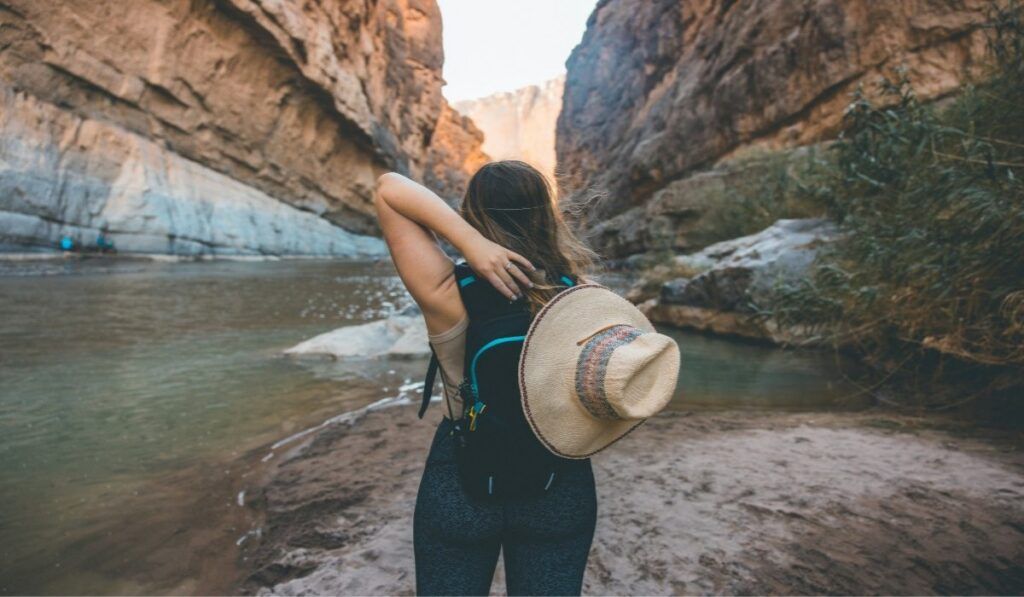
For remote wilderness camping, this 311,000-acre park delivers solitude and stunning Chihuahuan Desert landscapes. The backcountry sites require self-sufficiency (no hookups, limited facilities), but developed campgrounds offer basic amenities. The remoteness means incredible star-gazing—this park earned Dark Sky Park designation. Hike into dramatic canyons, soak in natural hot springs, and experience true Texas wilderness. It’s not for everyone, but adventurous RVers find it unforgettable. Nearby Big Bend National Park complements a West Texas camping adventure.
Caddo Lake State Park
East Texas’s only natural lake creates an otherworldly landscape of Spanish moss-draped cypress trees rising from still waters. The park offers 46 campsites with water and electricity plus screened shelters perfect for summer camping when mosquitoes emerge. Rent a canoe or kayak to explore the maze of channels and bayous—it’s easy to imagine you’re in Louisiana or the Deep South rather than Texas. The fishing here is legendary for largemouth bass, crappie, and catfish. Fall brings spectacular foliage colors unusual in Texas.
Which Texas Campgrounds Are Best for Families?
Source: Unsplash
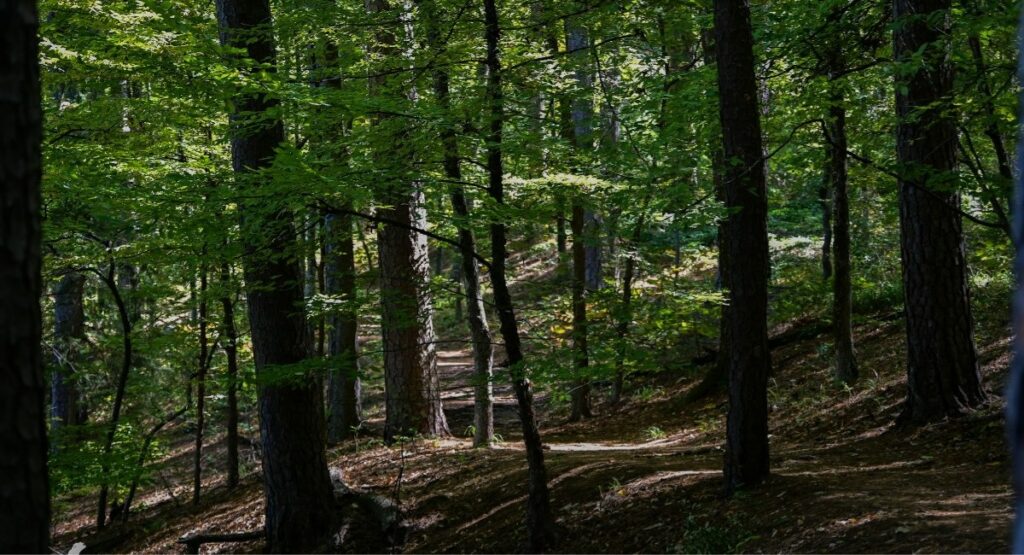
Family-friendly Texas RV parks deliver kid-approved amenities, safe environments, and activities that keep everyone entertained from toddlers to teenagers.
Jellystone Park Texas Campgrounds
Multiple Jellystone Park locations throughout Texas (Waller near Houston, Guadalupe River, and others) bring Yogi Bear and friends to life with character appearances, themed weekends, and extensive activities. Kids love the swimming pools, splash pads, jumping pillows, and organized events like tie-dye sessions and movie nights. Parents appreciate full-hookup sites, clean facilities, and the exhausted children who sleep soundly after action-packed days. These parks typically charge premium rates ($50-80+ nightly) but deliver Disney-level entertainment for young families.
KOA Campgrounds
Texas hosts numerous KOA locations offering family-friendly camping with predictable quality and amenities. The Sanger/Denton North KOA features pull-through sites up to 90 feet, full hookups, WiFi, cable TV, pool, playground, and dog park—everything families need. KOA’s Rewards program offers discounts for frequent campers. Most Texas KOAs position themselves near major attractions (San Antonio’s KOA near SeaWorld, Fredericksburg’s KOA in wine country) making them perfect basecamps for exploration.
Lake Somerville State Park
Split between two units (Birch Creek and Nails Creek), this park offers excellent family camping with swimming, fishing, boating, and hiking. The lake’s 11,460 acres provide plenty of space for watersports without feeling crowded. Kids can fish from the pier or beach, swim in designated areas, and bike park trails. Evening ranger programs teach about Texas wildlife and ecology. The primitive campsites add adventure for older kids ready to rough it a bit, while RV sites with hookups keep everyone comfortable.
Tyler State Park
This East Texas gem features a 64-acre lake perfect for paddling and fishing, plus two miles of shoreline for exploration. The park’s 124 campsites include many with water and electric hookups, and sites are well-spaced under towering loblolly pines. Kids love the swimming beach and pier fishing, while parents appreciate the peaceful forest setting just outside Tyler’s city limits. The park’s nature trails are short enough for young hikers, and the visitors center offers educational exhibits about East Texas ecosystems.
Where Are the Best Lakeside RV Campgrounds in Texas?
Source: Unsplash
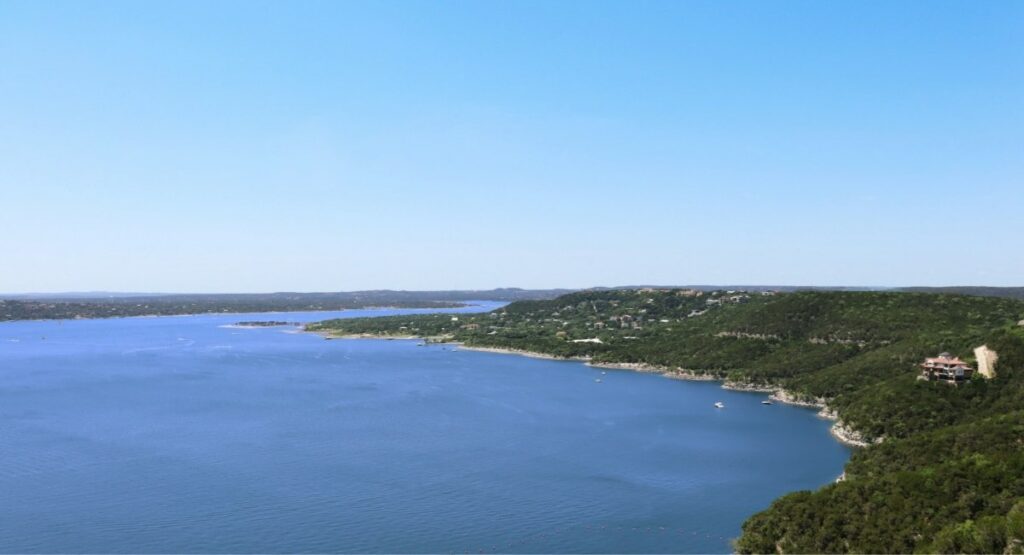
Texas’s hundreds of lakes—many created by damming rivers for water supply and flood control—offer spectacular RV camping with excellent fishing, boating, and water recreation.
Canyon Lake (Various Campgrounds)
Located in the Hill Country between Austin and San Antonio, Canyon Lake’s clear waters and scenic limestone cliffs create a stunning setting. Multiple U.S. Army Corps of Engineers campgrounds ring the lake, offering full-hookup sites with lake views. Popular campgrounds include Canyon Park (with marina), Cranes Mill Park (most sites), and Potter’s Creek Park (quieter atmosphere). The lake offers excellent striper, bass, and catfish fishing, plus pristine waters for swimming, scuba diving, and wakeboarding. Nearby Gruene and New Braunfels add tubing, dining, and shopping options.
Lake Travis Campgrounds
West of Austin, Lake Travis stretches 65 miles through Hill Country, creating countless coves and opportunities for camping. While Travis County parks like Sandy Creek Park offer primitive camping (no hookups, first-come basis), private resorts provide full amenities. The lake is famous for fantastic water skiing, wakeboarding, and party coves where boaters gather on weekends. Fishing targets largemouth bass, catfish, and stripers. The area’s numerous marinas rent boats and jet skis if you don’t trailer your own.
Lake O’ the Pines Campgrounds
Northeast Texas’s 18,700-acre Lake O’ the Pines offers serene camping in piney woods near the Louisiana border. Johnson Creek Campground and Buckhorn Creek Park provide excellent facilities with full hookups, and the lake never feels crowded despite its size. The abundance of standing timber creates perfect bass fishing habitat—this is a trophy bass lake. Birdwatchers spot bald eagles, ospreys, and migratory species. The East Texas atmosphere feels more like the Deep South than typical Texas, with moss-draped trees and humid air.
Belton Lake Campgrounds
Central Texas’s Belton Lake, created by damming the Leon River, offers multiple Corps of Engineers campgrounds with excellent facilities. Live Oak Ridge Park features nearly 50 sites, many on the lakeshore, with full hookups and beautiful views. The lake provides excellent white bass runs in spring, while summer brings catfish and largemouth bass action. Temple sits just miles away for resupply runs, but the lake’s peaceful atmosphere makes it feel remote. Weekend evenings often feature spectacular sunsets reflected in the clear water.
What Are the Top Luxury RV Resorts in Texas?
When you want resort-style amenities with your RV camping, Texas delivers upscale experiences featuring pools, spas, golf courses, and concierge services rivaling fine hotels.
La Hacienda RV Resort (Austin)
This luxury resort just outside Austin offers “Texas-sized” sites up to 70 feet with full 50-amp hookups, WiFi, and cable TV. The resort features multiple pools and hot tubs, a fitness center, dog park, and beautifully landscaped grounds. The clubhouse hosts activities ranging from line dancing to art classes, creating a vibrant social community. You’re close enough to downtown Austin for music and culture but far enough for peaceful evenings under Texas stars. Monthly rates make this popular with snowbirds seeking extended Hill Country stays.
River Plantation RV Resort (Conroe)
North of Houston on Lake Conroe, this resort combines lake access with upscale amenities across 60+ acres. Full-hookup sites feature concrete pads, and many offer water views. The resort’s marina provides boat slips, while the pool, clubhouse, and fitness center keep you entertained on shore. Golf courses surround the property, and Houston’s attractions sit just 40 minutes south. The lake’s excellent fishing (bass, catfish, hybrid stripers) and proximity to Sam Houston National Forest make this an ideal basecamp.
Trinity Luxury RV Resort & Cabins
Situated on 140 acres in East Texas piney woods, Trinity offers oversized sites (60×20 feet) with 50/30-amp service and gorgeous natural surroundings. The private 140-acre property ensures quiet, spacious camping without neighbors breathing down your neck. Amenities include catch-and-release fishing ponds, nature trails, and modern facilities. Families appreciate the cabins for guests without RVs, making this perfect for mixed camping groups. It’s Texas luxury with a rustic edge—no neon lights or golf carts, just premium camping in beautiful woods.
Galveston Bay RV Park
On the shores of Galveston Bay, this resort offers waterfront sites where you’ll watch boats glide past and dolphins play in the marina. Full hookups, WiFi, and cable TV keep you connected, while the bay location provides sunrise views and constant sea breezes. The park’s Texas charm—think shade trees and Southern hospitality—creates a welcoming atmosphere. You’re positioned perfectly between Galveston Island’s beaches and Houston’s attractions, making this ideal for extended coastal stays.
Where Can I Find Pet-Friendly RV Parks in Texas?
Texas welcomes four-legged travelers at most campgrounds, and several go the extra mile with dog parks, pet washing stations, and pet-friendly trails.
Brazos Bend State Park
Located near Houston, this 5,000-acre park welcomes leashed pets on trails where you’ll encounter alligators (keep dogs close!), deer, armadillos, and incredible birdlife. The dark skies make it a premier stargazing destination—the George Observatory within the park offers public telescope viewing. RV sites with water and electricity accommodate rigs up to 50 feet. The 37 miles of trails provide excellent dog walking, though summer heat and humidity require early morning or evening outings.
Most Texas State Parks
Texas Parks & Wildlife welcomes pets at most state parks with common-sense rules: six-foot leashes, waste cleanup, and no pets on beaches or in buildings. This means you can explore Enchanted Rock’s granite dome, Lost Maples’ fall colors, or Dinosaur Valley’s fossilized tracks with your pup. Some parks offer special pet-friendly trails and camping areas. Always check individual park policies before booking—a few parks restrict certain breeds or have additional requirements.
Private RV Resorts with Dog Parks
Many luxury RV resorts feature dedicated fenced dog parks where dogs can run off-leash and socialize. Look for resorts advertising dog washing stations (muddy paws happen), pet-friendly trails, and welcoming policies. Some even host “Yappy Hours” and pet costume contests. KOA campgrounds typically include dog parks, while upscale resorts like La Hacienda RV Resort and River Plantation provide exceptional pet amenities.
What Should First-Time RV Campers Know About Texas?
Texas RV camping rewards preparation—understanding weather, wildlife, reservations, and regional differences helps first-timers avoid common mistakes and maximize their Lone Star adventure.
Weather and Seasonal Planning
Texas weather varies dramatically by season and region. Summer (June-August) brings scorching temperatures topping 100°F across much of the state, plus high humidity on the Gulf Coast. Seek campgrounds with swimming pools, lake access, or higher elevations. Spring (March-May) offers perfect camping weather, spectacular wildflower displays, and manageable temperatures—but books solid at popular parks. Fall (September-November) delivers cooling temperatures and beautiful foliage in East Texas. Winter camping works perfectly in South Texas and the Gulf Coast, though northern and West Texas can see ice storms and freezing temperatures.
Reservation Strategies
Texas State Parks reservations open five months in advance—book exactly when the window opens for popular parks like Garner, Pedernales Falls, or Brazos Bend. Private campgrounds often allow reservations 6-12 months ahead. For spontaneous trips, weekdays in summer offer better availability than spring weekends. Always call campgrounds directly—online availability isn’t always current, and cancellations happen regularly. If you’re flexible on dates, you’ll find options.
Wildlife Safety
Texas wildlife is diverse and sometimes dangerous. Alligators inhabit Gulf Coast areas and East Texas waterways—never feed them (illegal and stupid), keep dogs leashed, and maintain distance. Venomous snakes (rattlesnakes, copperheads, coral snakes, cottonmouths) require attention on trails—wear boots, watch where you step, and don’t reach into brush. Wild hogs increasingly populate Texas—they’re aggressive if cornered and destructive to campsites. Store food securely, use trash facilities properly, and report animal problems to park staff immediately.
What to Pack
Sun protection matters in Texas—bring quality sunscreen, hats, and lightweight long sleeves for serious sun exposure. Insect repellent is non-negotiable, especially Gulf Coast summer camping or East Texas. Water consumption exceeds what you’d expect—dehydration happens fast in Texas heat. Cooling towels, portable fans, and shade structures improve comfort. If you’re new to RVing, consider a Class B campervan rental for easier maneuvering while learning.
How Can I Find Budget-Friendly RV Camping in Texas?
Great Texas camping doesn’t require draining your wallet—smart strategies keep costs manageable while still experiencing the state’s best destinations.
Texas State Parks Value
State parks typically charge $15-30 per night depending on amenities, significantly less than private resorts ($40-80+). Annual Texas State Parks Passes ($70 for individuals, $105 for groups) include daily entry fees and often pay for themselves after 7-10 nights camping. Seniors 65+ receive 50% camping discounts Sunday-Thursday at most state parks. Browse all Texas campground options to compare pricing across regions.
Free Camping Options
National forests and grasslands offer free dispersed camping in designated areas. Davy Crockett National Forest, Sam Houston National Forest, and Sabine National Forest provide primitive camping (no hookups or facilities) at no cost. Some public lands managed by the Army Corps of Engineers offer free primitive sites. Always verify current regulations—some areas require permits or have seasonal closures.
Weekday Discounts
Many private campgrounds offer weekday discounts when weekend demand drops. Tuesday-Thursday camping can save 20-30% versus Friday-Sunday rates. Off-season camping (summer in northern Texas, winter in far West Texas) brings lower prices and better availability. Extended-stay rates provide discounts for week-long or monthly bookings—perfect for snowbirds or remote workers.
BLM and Public Lands
West Texas Bureau of Land Management lands and some Corps of Engineers properties allow free or low-cost primitive camping. These sites typically lack hookups but provide incredible solitude and views. The Big Bend area includes various public camping options around the national and state parks.
Where Are the Best RV Campgrounds for Fishing in Texas?
Texas’s reputation as a fishing paradise extends to RV camping, with numerous campgrounds providing direct access to trophy bass, catfish, and saltwater gamefish.
Lake Fork (Various Campgrounds)
East Texas’s Lake Fork ranks among America’s premier largemouth bass lakes, with state records regularly broken here. Private RV parks like Minnow Bucket Marina, Oak Ridge Marina, and Lake Fork Marina offer full hookups and boat ramps. The lake’s 27,000 acres contain massive bass—fish in the 10-13 pound range are caught regularly. Spring (March-May) and fall (October-November) provide peak action, though summer and winter fishing can be excellent. Multiple guides operate on the lake if you’re serious about trophy bass.
Choke Canyon State Park
This reservoir west of Corpus Christi offers two park units with RV camping and excellent catfish action. The lake holds channel catfish, blue catfish, and flatheads—fish over 40 pounds aren’t uncommon. Bass fishing is solid too, particularly in spring. The park’s boat ramps provide easy access, and bank fishing produces catfish consistently. Summer can be brutally hot, but the fishing remains good if you fish early mornings or evenings.
Galveston Bay Area Campgrounds
The Gulf Coast’s vast bay system surrounding Galveston provides incredible saltwater fishing diversity. Target speckled trout, redfish, flounder, and black drum. Campgrounds near Galveston, Clear Lake, and Texas City provide bay access and proximity to charter fishing operations. Wade fishing, kayak fishing, and boat fishing all produce. Spring and fall offer the most consistent action, but summer’s heat pushes fish to cooler, deeper water that’s still accessible.
Lake Texoma (Multiple Sites)
On the Texas-Oklahoma border, Lake Texoma sprawls across 89,000 acres, offering fantastic striped bass fishing. Eisenhower State Park on the Texas side provides 155 RV sites with water and electricity. The striper runs in spring draw anglers from across the country—fish routinely top 20-30 pounds. Catfish, bass, and crappie also thrive here. The U.S. Army Corps operates additional campgrounds around the lake, many with marinas and fish cleaning stations.
Your Texas RV Adventure Awaits
From Hill Country rivers where cypress trees shade clear waters to Gulf beaches where dolphins play in the surf, from dramatic canyons carved by eons of wind and water to peaceful pine forests echoing with birdsong—Texas delivers RV camping experiences as diverse and grand as the Lone Star State itself. With over 600 campgrounds spanning regions that feel like different states altogether, you could spend years exploring and still discover new favorites.
The best part? You don’t need to choose just one region or experience. Plan an epic Texas road trip that starts in Big Bend’s desert wilderness, winds through Hill Country wine country, explores the Gulf Coast’s beaches, and finishes in East Texas’s piney forests. Each region offers distinct flavors of Texas camping—from wilderness state parks to luxury RV resorts—ensuring your perfect adventure awaits regardless of your camping style or budget.
Ready to start planning? Explore all Texas campgrounds to compare options statewide, then book early—prime camping seasons fill quickly. Whether you’re bringing your own rig or browsing Texas RV rentals to find your perfect home on wheels, you’re about to discover why Texans say everything really is bigger—and better—in Texas.
Pack your sense of adventure, don’t forget the sunscreen and bug spray, and get ready to experience authentic Texas hospitality at campgrounds across the Lone Star State. Y’all come back now, y’hear? The open road—and unforgettable Texas camping—is calling.
Frequently Asked Questions
What’s the best time of year for RV camping in Texas?
Fall (September-November) and spring (March-May) offer ideal RV camping conditions across most of Texas, with comfortable temperatures, lower humidity, and manageable crowds. Spring brings spectacular wildflower displays, particularly Texas bluebonnets peaking late March through early April. Fall delivers cooling temperatures and beautiful foliage in East Texas. Winter works perfectly for South Texas and Gulf Coast camping but can bring occasional freezes and ice storms to northern regions. Summer camping requires heat management—seek campgrounds with swimming pools, lake access, or higher Hill Country elevations where temperatures stay slightly cooler.
How far in advance should I book Texas campgrounds?
For popular Texas State Parks like Garner, Pedernales Falls, or Palo Duro Canyon, book exactly when the five-month reservation window opens, especially for spring weekends and holiday periods. These parks fill completely within hours of availability opening. Private RV resorts often allow reservations 6-12 months ahead—book early for peak seasons. Less popular parks and weekday camping offer more flexibility, sometimes accepting reservations just days before arrival. Summer weekdays (except July 4th week) generally have better availability than spring. Winter camping in northern Texas books easier than southern destinations where snowbirds congregate.
What’s the average cost of RV camping in Texas?
Texas State Parks charge $15-30 per night depending on hookup availability and location, making them excellent values. Private campgrounds range from $35-60 for basic facilities to $60-100+ at luxury resorts with full amenities. Membership clubs (Passport America, Good Sam) offer 50% discounts at participating campgrounds. Monthly rates for long-term stays typically discount 30-40% off nightly rates, ranging from $400-1,200 monthly depending on location and amenities. Free primitive camping exists on some public lands, requiring complete self-sufficiency but costing nothing. Gulf Coast and Hill Country campgrounds command premium rates during peak seasons.
Are Texas RV parks suitable for large Class A motorhomes?
Many Texas campgrounds specifically accommodate large RVs, particularly private resorts and modern state park facilities. Luxury resorts routinely handle 45-foot Class A motorhomes with pull-through sites and 50-amp service. However, older state park campgrounds may limit RVs to 35-40 feet due to tight turns and mature tree canopy. Always verify maximum RV length before booking—campground listings specify size restrictions. The Sanger/Denton North KOA accommodates rigs up to 90 feet, while Trinity Luxury RV Resort offers oversized 60×20-foot pads designed for large motorhomes. Check our Class A motorhome guide for more sizing information.
Do I need reservations for primitive camping in Texas?
Most primitive camping in Texas State Parks requires reservations, though some national forests allow dispersed camping without reservations. Backcountry sites at Big Bend Ranch State Park need advance booking. Free dispersed camping on national forest lands (Sam Houston, Davy Crockett, Sabine) typically operates first-come, first-served but may have seasonal restrictions or permit requirements. Army Corps of Engineers sites vary—some require reservations while others allow walk-up camping. Always check current regulations before arriving, as rules change based on weather, fire danger, and seasonal patterns.