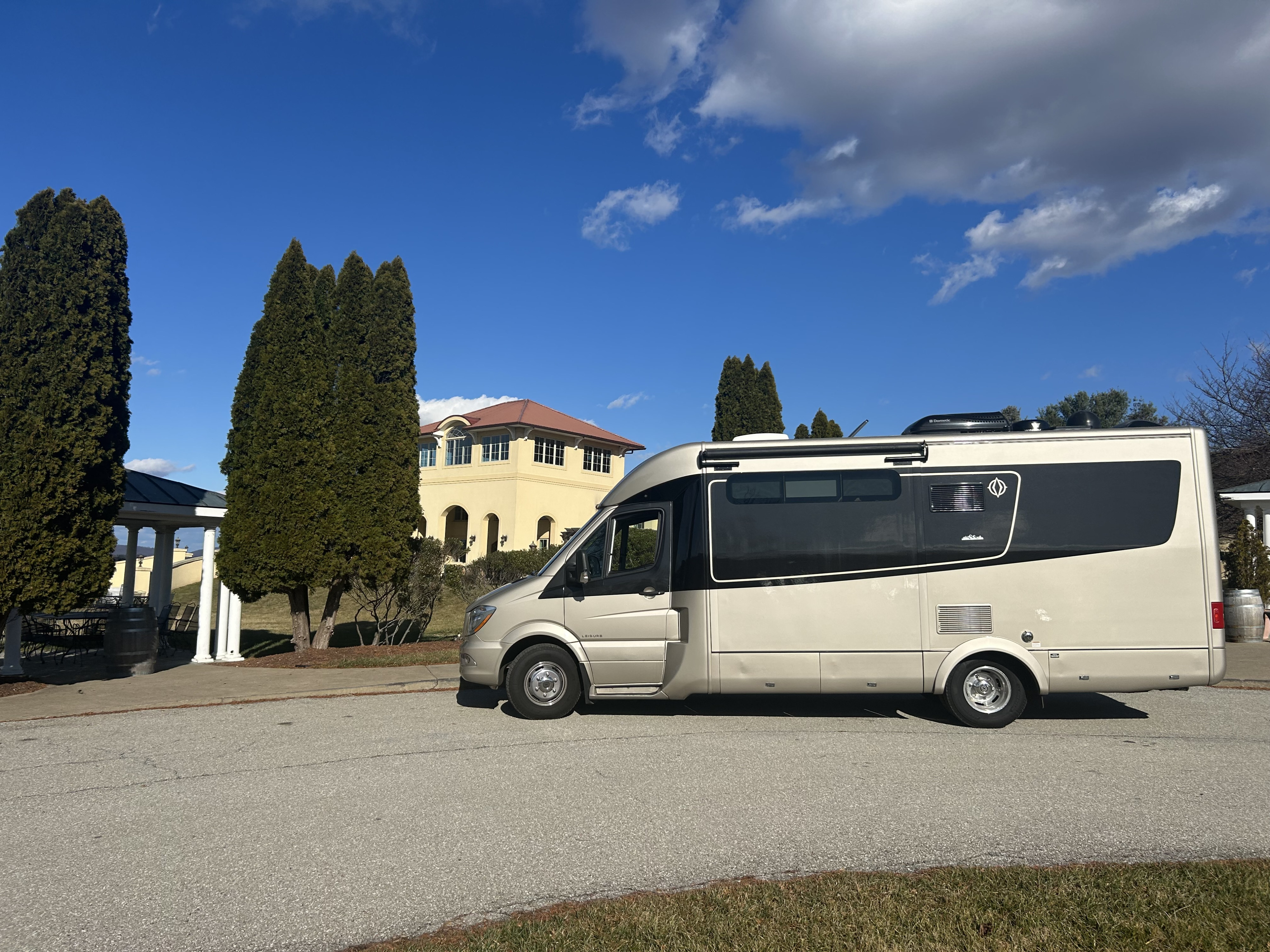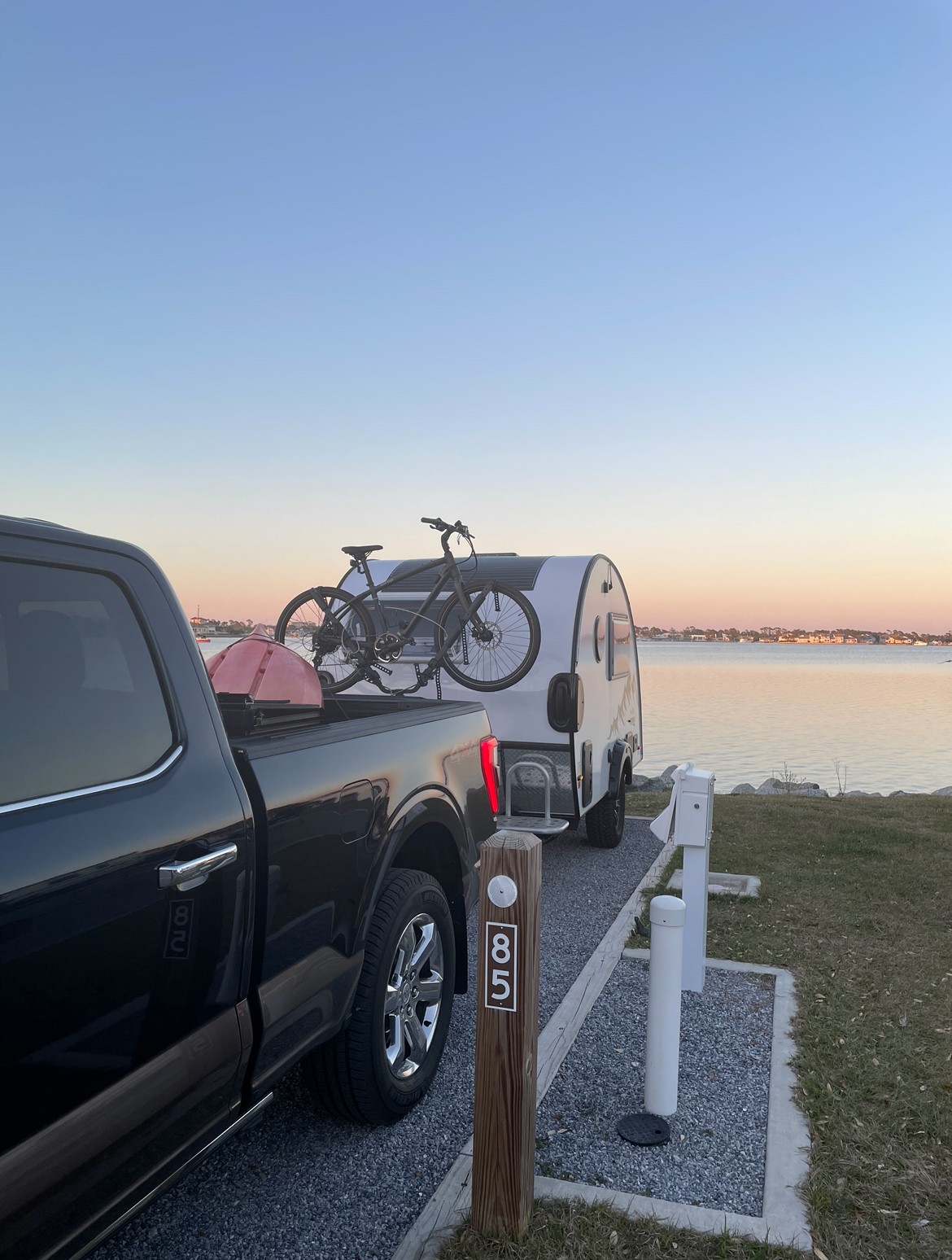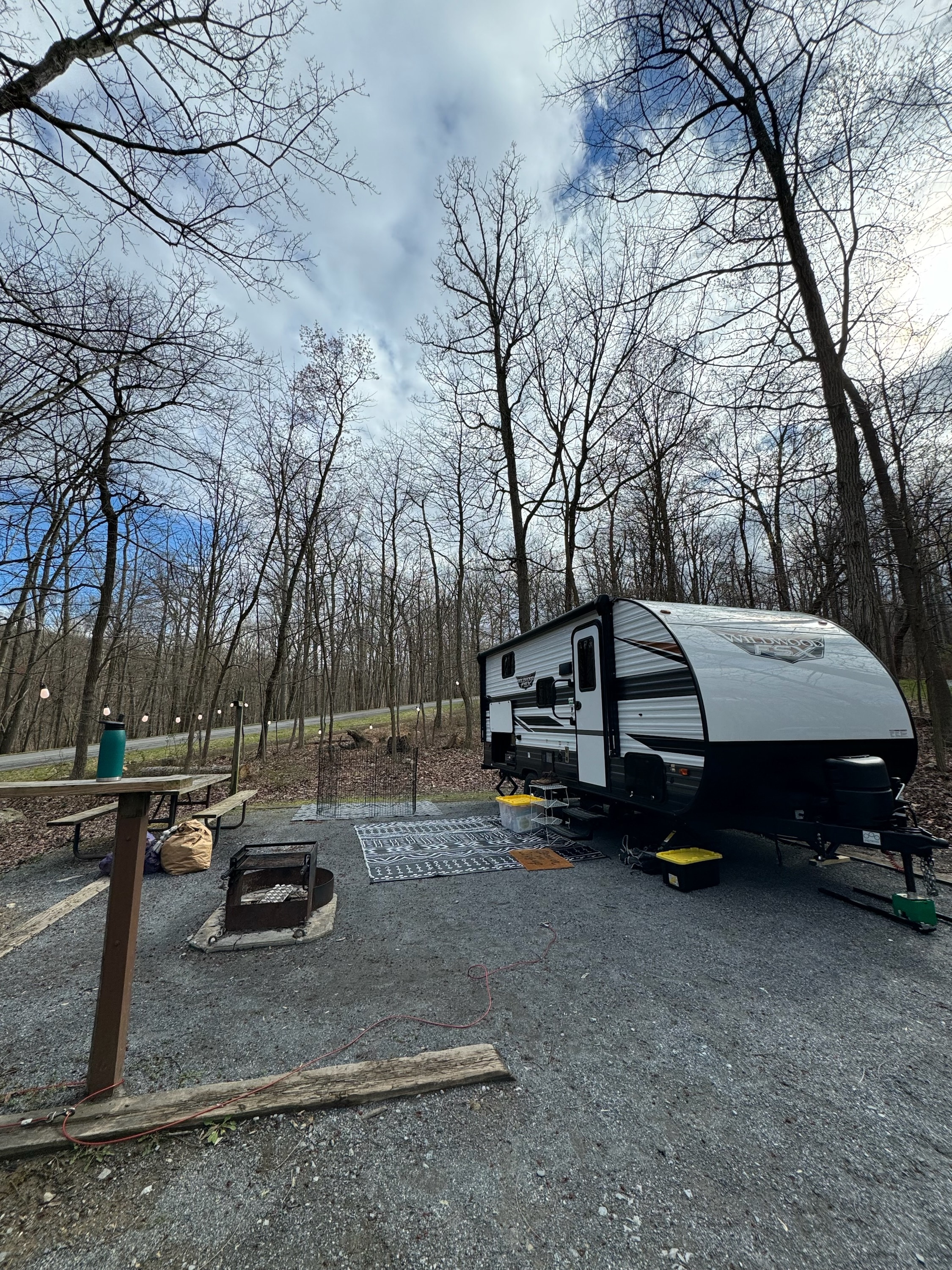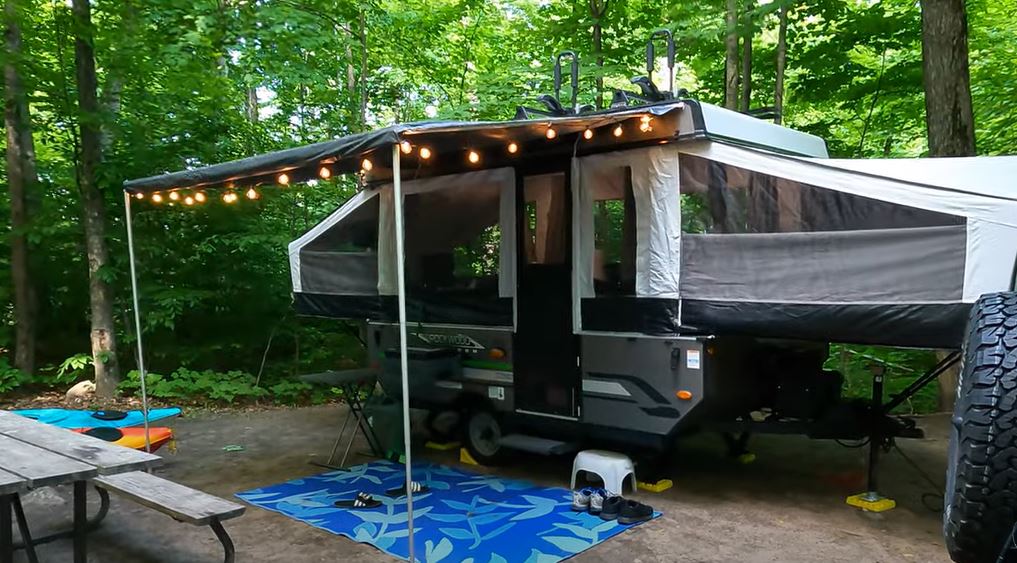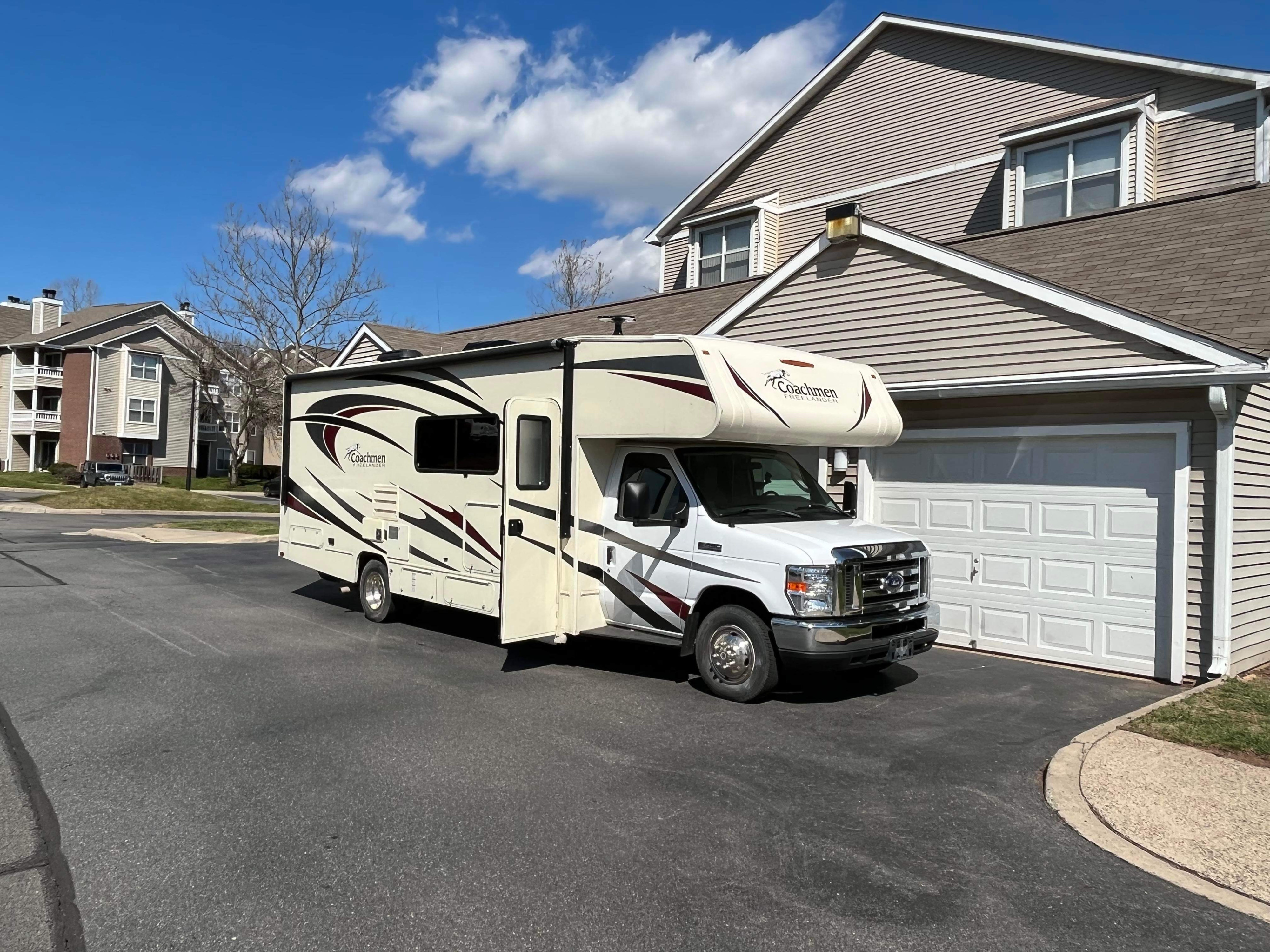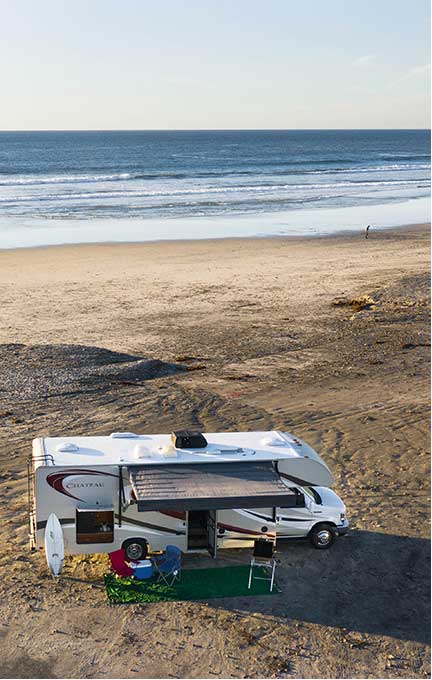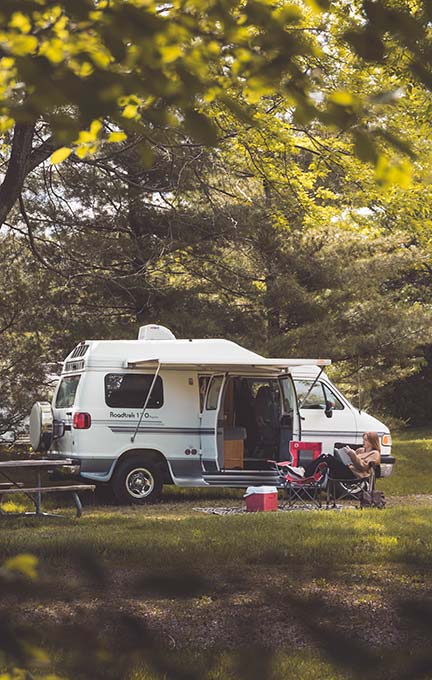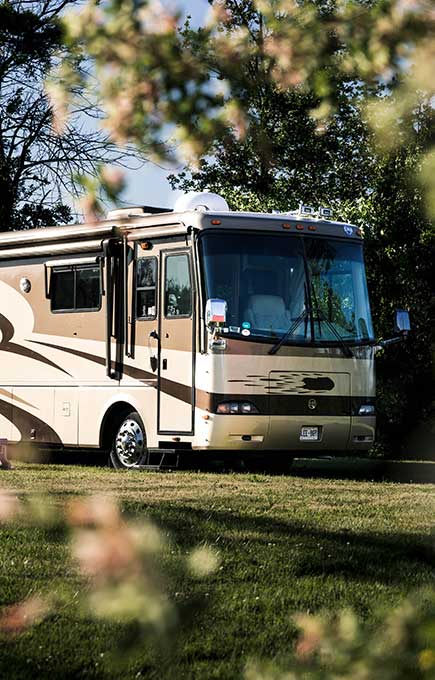


Have you ever taken a vacation and wished that you never had to come back home? Well, we've got some good news for you! More than one in five U.S. workers (22.6% as of March 2026) now telework or work from home for pay at least part of the time, so long-term travel is feasible for more people than it used to be. Monthly RV rentals — and, with some owners, even longer ones — allow you to get gone and stay gone for however long you please.
Wondering how to make long-term RV travel work for you? We've got some handy tips on finding the perfect RV for hitting, and staying on, the road.
As for RV insurance, not all carriers cover full-time RVing. Roamly, Outdoorsy's sister company, is one that does — it offers full-timer coverage for people living in their RV for six months or more a year.
Long-term RV rental at a glance
- Ask about monthly rates: many owners discount weekly and monthly stays, and some will negotiate if you ask.
- Renting usually beats buying for a stay of a few months — no purchase price, storage, or long-term maintenance.
- Book your campsite early: private parks sell monthly sites, while public campgrounds often cap stays at 14 nights.
- Sort out mail, Wi-Fi, and insurance before you leave.
- Pack light — RV space and weight limits add up fast.
Long-Term RV Rentals vs. Buying an RV
You may be wondering, "Since I will be spending so much time on the road, wouldn't it just be easier to purchase my own rig?"
Well, not quite. Renting an RV comes with many advantages over owning, especially if your RV stay is an extended vacation and not a permanent move. Here are just a few benefits of renting over RV ownership.
- It is cheaper. Some RVs can cost well over $100,000. If you want to stay in something luxurious for a few months, renting is the option that's easier on the wallet.
- You have less responsibility. Once you're done with your vacation, you don't need to worry about any of the responsibilities that come with ownership. This includes things like storage and maintenance, which can both be expensive in the long-run.
- You have more options. When buying an RV, you may be limited by things like budget, space in your driveway, or overall practicality. RV rentals give you the freedom to try whatever RV you want without the commitment.
Renting allows you to pay for what you use. When you're not out having fun, there's no need to feel like your investment is going to waste. Take your RV rental on an unforgettable road trip, and know that there is another one waiting for you when you're ready to go again! In our experience, a month or two in a rental is also the best test drive there is for anyone thinking about buying later.
Finding Your Long-Term RV Rental
Outdoorsy makes finding the perfect RV easy. On the main RV search tool, simply select the starting place and dates of your trip, no matter how long you wish to travel. This will narrow down your search to RVs that are available in that time frame.
From there, you can narrow down your search by amenities, RV type, rules, or ratings.
As you browse the RVs, check each listing's pricing details for weekly or monthly discounts. If an owner has special rates for long-term renters, you'll find them there. Our long-term RV rental listings round up rigs that work well for extended stays.
Contacting the RV Owner
Even if it's not shown on the listing description, you may be able to work out a special long-term rate by talking directly to the owner.
Use the listing's message option to reach the owner directly. Renters we talk to who ask about mileage limits, generator hours, and extension terms up front avoid most of the surprises that come up in month two.
What should you ask before renting an RV for a month?
Before you book, ask the owner about the details that matter more over a long stay than a weekend:
- Mileage and generator allowances — and what you pay if you go over.
- Extensions and cancellations — can you add a week, and what happens if plans change?
- Insurance and deductibles — what the protection plan covers for a stay this long.
- Maintenance — who handles an oil change or a repair if something breaks mid-stay.
- Pets — rules, deposits, and cleaning fees.
- Delivery — if you're staying put, a delivered travel trailer can be set up at your campsite so you don't have to tow at all.
Traveling in Long-Term RV Rentals
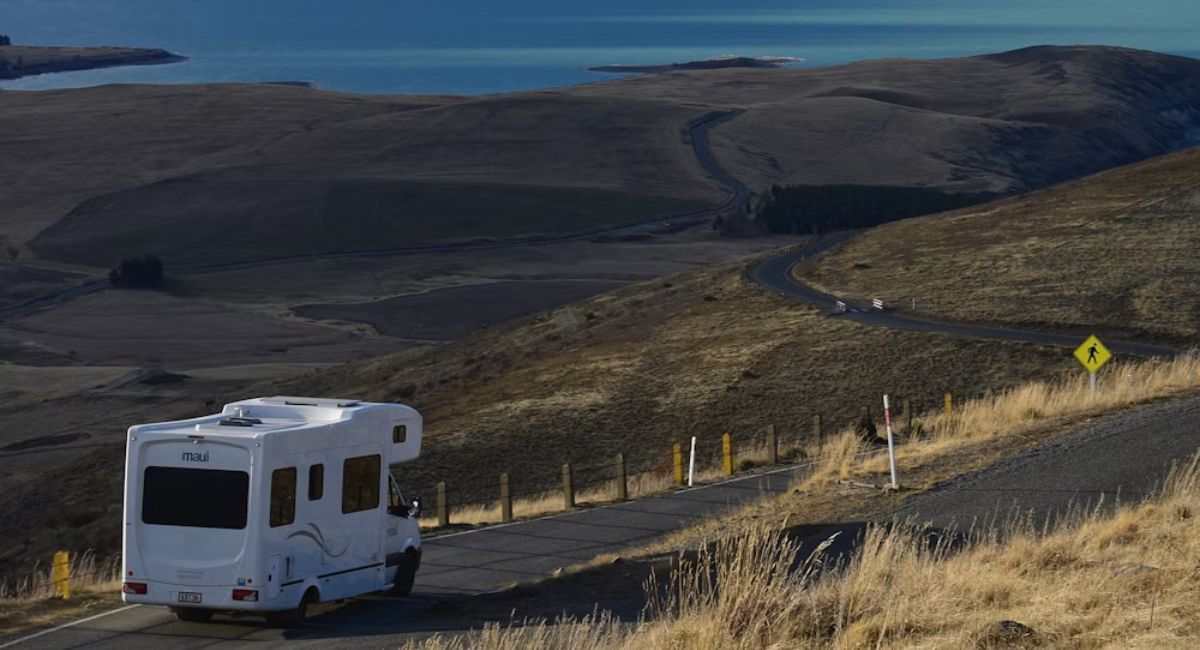
Curious about how to go about your long-term RV trip? Keep these five tips in mind.
- If you plan on staying put in one area, make sure you find a campsite that can accommodate your extended stay. Some campsites have limits on the number of nights you can stay; others will offer special deals for those staying for a while. Once you decide on a destination, do a little research on the nearby campsites to find the right one for your stay.
- Find a spot with activities you enjoy. It can be easy to get so caught up in all the aspects of choosing a location that you forget to make sure there are things to do that you love. For example, if you're an avid fisherman or paddle-sports enthusiast, find a campground that's close to a body of water. If you like hiking, search for a park that has access to miles of trails. This will help keep you busy on your extended stay.
- Keep it simple. When setting out on a lengthy vacation, it can be tempting to bring many of your belongings with you. The truth is, if you overpack, much of the stuff will just end up getting in your way. Space on an RV is limited, so be mindful in the way that you pack.
- Working from the road? Don't forget to consider your internet connection. Some campgrounds will offer WiFi (although often spotty), while others will leave you lifting your phone in search of one bar. Be sure to figure out your RV internet situation before you go. We've heard from plenty of remote workers that a cellular hotspot on a second carrier is what saved their work week.
- Join RVing Clubs. If you plan on camping frequently, consider joining an RV club such as the Escapees RV club, Good Sam's membership club, or Passport America's campground discount network, which offer campground discounts and other member perks. Harvest Hosts is a little different: members get overnight stays with no camping fees at farms, wineries, and breweries, and hosts encourage you to shop or buy something during your stay. While they may not make financial sense for someone going on a trip once every few years, they are great for long-term RVers.
How much does a monthly campsite cost?
Monthly campsites at private RV parks commonly run from several hundred dollars to more than $1,000 a month, depending on the location and season. At the Tucson KOA, for example, standard sites start at $679 a month in summer and fall and $1,175 a month in winter, with electricity metered separately. Sunbelt parks charge the most in winter, when snowbirds arrive.
Public land is cheaper but limits how long you can stay. The Bureau of Land Management generally allows dispersed camping for 14 days within any 28-day period, and many state parks cap stays at about two weeks. In our experience, long-term renters who book one private park for the month and save public land for side trips get the best of both. See our guide to RV park rates for more on what to expect.
Is a long-term RV rental right for you?
A monthly RV rental is the perfect solution for those wanting to get out and explore the country at their own pace. Compared to RV ownership, renting comes with several notable advantages. As long as you do a little planning ahead of time, your extended RV vacation will be the trip of a lifetime! If you're weighing the bigger leap, our breakdown of the cost of RV living is a good next read.
About this guide
Originally written by Outdoorsy author Katie Duncan. Updated in November 2026 by the Outdoorsy Editorial team. Facts in this guide were checked against official and primary sources, which are linked throughout. Rental terms vary by owner, so confirm the details on each listing.