




TL;DR: Finding Your Perfect Match on Wheels
Choosing your first RV isn't about picking the biggest or fanciest rig—it's about finding the right balance between comfort and confidence. For most first-time renters, Class B camper vans and Class C motorhomes hit the sweet spot because they're easier to drive and easier to manage. While Class A motorhomes bring serious luxury, they also come with a steeper learning curve that can distract from actually enjoying the trip.
RV classes at a glance
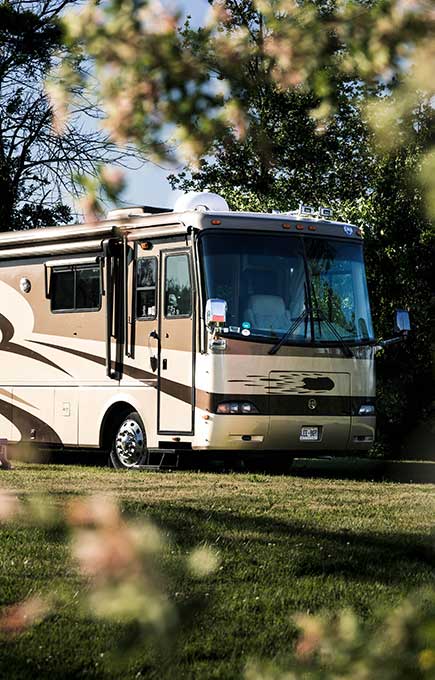
- Class A (the bus): about 24–40 feet long, sleeps about 2–7, roughly 6–10 mpg. Most space and amenities; hardest to drive and park.
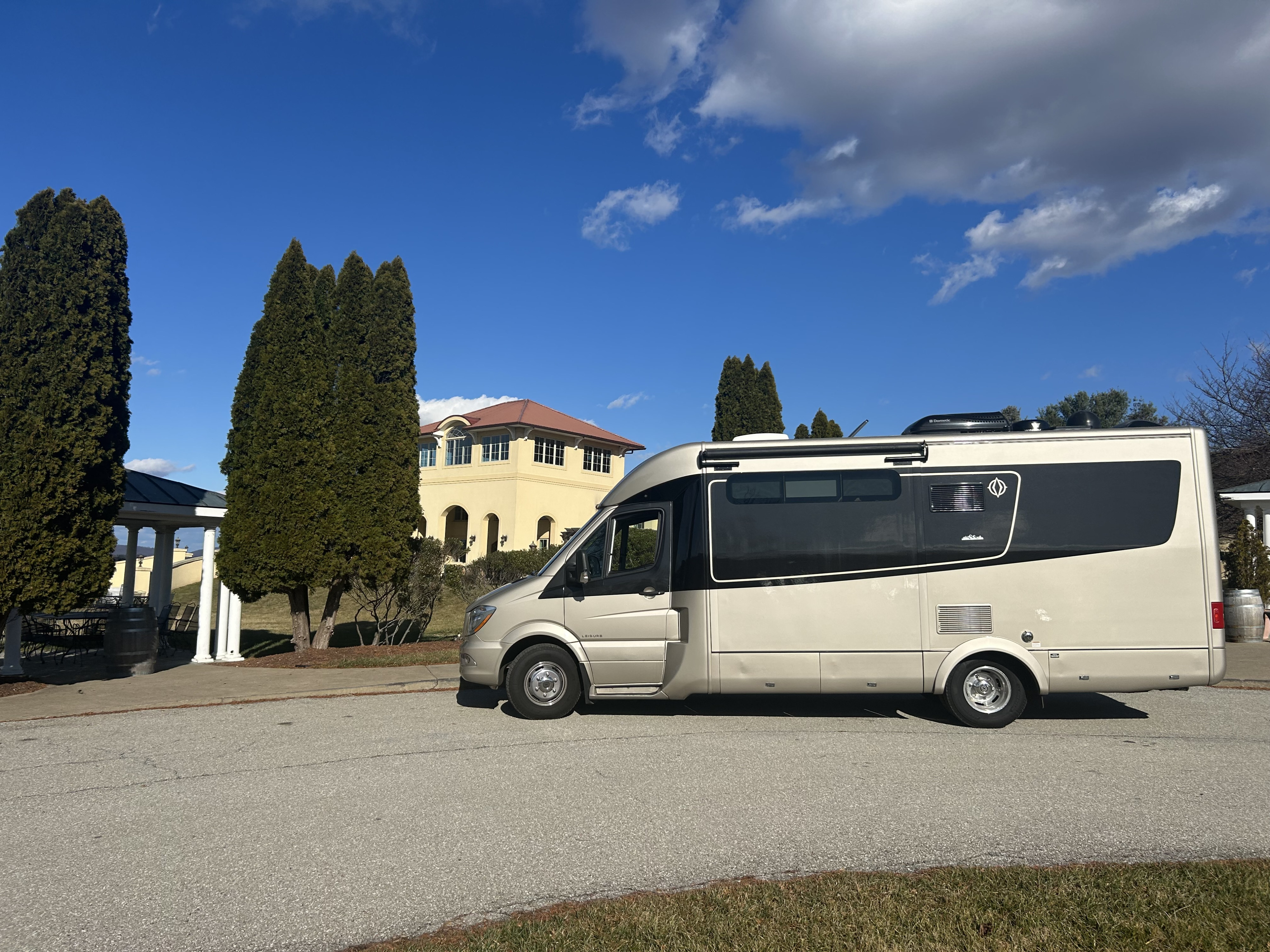
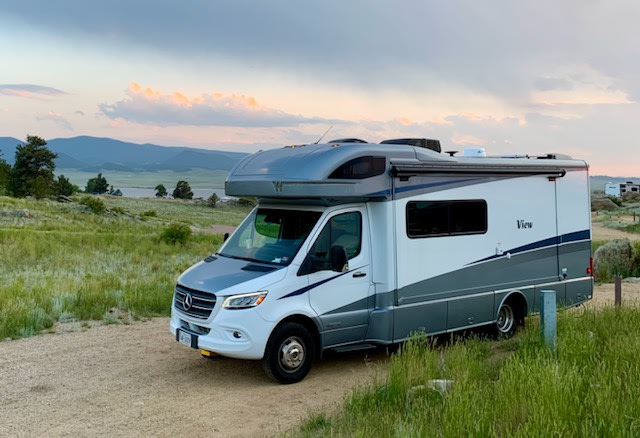
- Class B (the camper van): usually under 25 feet, sleeps 2 (some layouts 4), the best fuel economy of the three. Easiest to drive; least storage.
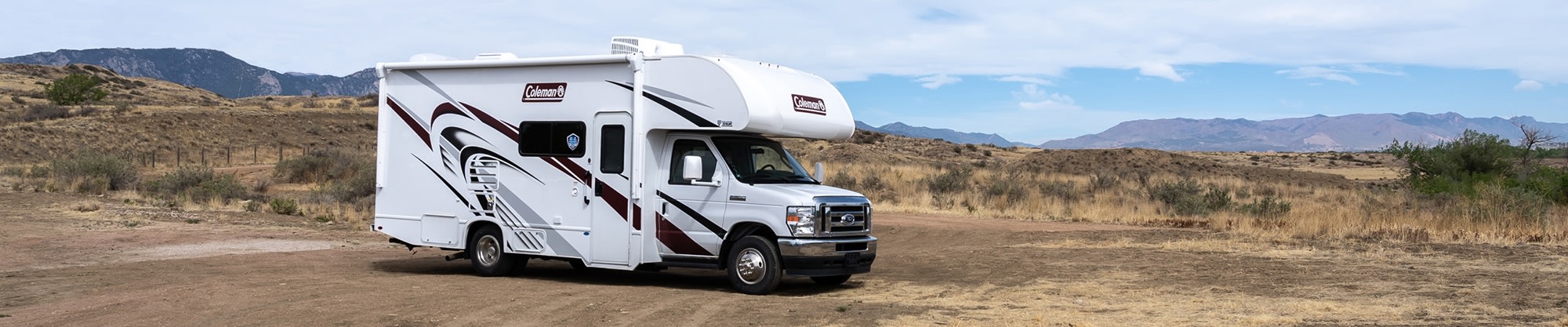
- Class C (the classic): about 20–31 feet, sleeps about 2–6, roughly 10–15 mpg. The family favorite and the best all-around pick for most first-timers.
These are typical lengths and sleeping counts by class, and the mpg figures reflect average fuel economy by motorhome class. One caution on "sleeps 6": that number often counts a convertible dinette, so check the floor plan for real beds.
What's the best RV size for beginners?
For beginners, the ideal RV length usually falls between 20 and 25 feet. Rigs in this range fit into most campsites, feel less intimidating on the road, and make everyday things—like fueling up or parking—much simpler. Smaller RVs let you focus on the adventure instead of constantly second-guessing your turns or clearance height.
Why 20 to 25 feet works
When deciding on size, think less about "how much space sounds nice" and more about how comfortable you want to feel behind the wheel.
- The "Sweet Spot": RVs under 25 feet rarely require special routing for low bridges, tight turns, or awkward gas stations.
- Capacity vs. Size: More square footage also means more systems to manage. Bigger isn't bad—it's just more to keep track of, especially on your first trip.
- Campsite Availability: Many national and state parks have length restrictions. Staying under 25 feet gives you far more flexibility when booking campsites. Some scenic roads are stricter still: Glacier's Going-to-the-Sun Road limits vehicles to 21 feet long, 8 feet wide, and 10 feet tall, so even a small Class C can be too big there.
In our experience, first-time renters who pick a rig a size smaller than they think they need almost never regret it — and the ones who go big usually wish they hadn't by day two.
Should I rent a Class A, B, or C?
The right class mostly comes down to how many people you're traveling with—and how comfortable you want to feel driving. Class B vans are great for solo travelers or couples, Class C motorhomes are a go-to for families thanks to their layout, and Class A rigs are best for travelers who prioritize space and amenities over ease of driving. For most first-timers, Class C offers the best balance.
How each RV class drives and lives
Each RV class has its own personality—and its own learning curve.
- Class A (The Bus): Spacious, comfortable, and packed with amenities. But the flat-front design and sheer size can feel disorienting if you've never driven something this big before. Browse Class A RV rentals if the space is worth it for your group.
- Class B (The Van): Built on a standard van chassis, these are nimble, efficient, and easy to drive. Storage is limited, so packing light (and soft-sided) is key. See Class B RV rentals.
- Class C (The Classic): Usually identified by the bed over the cab, these rigs are built on a truck-style cutaway chassis, drive more like a truck, and offer a familiar cockpit with enough space for families, kitchens, and bathrooms. Our roundup of the best Class C RVs covers popular floor plans.
Which is easiest to drive?
Class B camper vans are the easiest RVs to drive, hands down. They handle much like a large SUV or delivery van, making turns, parking, and lane changes far less stressful. If you need more space, a Class C is the next easiest option thanks to its truck-based design and familiar driving feel.
Ways to make driving less stressful
Reducing driving stress is one of the biggest ways to ensure a great first RV trip.
- Familiar Cockpits: Class B and C RVs feel immediately recognizable behind the wheel, which shortens the learning curve.
- Parking and Reversing: Smaller rigs are easier to back into campsites and less likely to clip branches, posts, or utility hookups.
- Crosswinds and Stability: Class B vans handle wind better than taller, boxier Class A rigs, which can feel unsettled in strong gusts.
Renters we talk to say a 20-minute practice loop in an empty parking lot before the first highway drive takes most of the nerves out of it. Our beginner tips for driving an RV walk through it step by step.
About this blog
Written by Outdoorsy author Sean Richards. Updated in November 2026 by the Outdoorsy Editorial team. The facts in this blog were checked against official and primary sources, linked throughout. Before your trip, confirm the exact length, height, and sleeping setup of your specific rental with the host, and check our first-time RV rental checklist.